From a Hackathon Prototype to a New Vision for Neurological Recovery
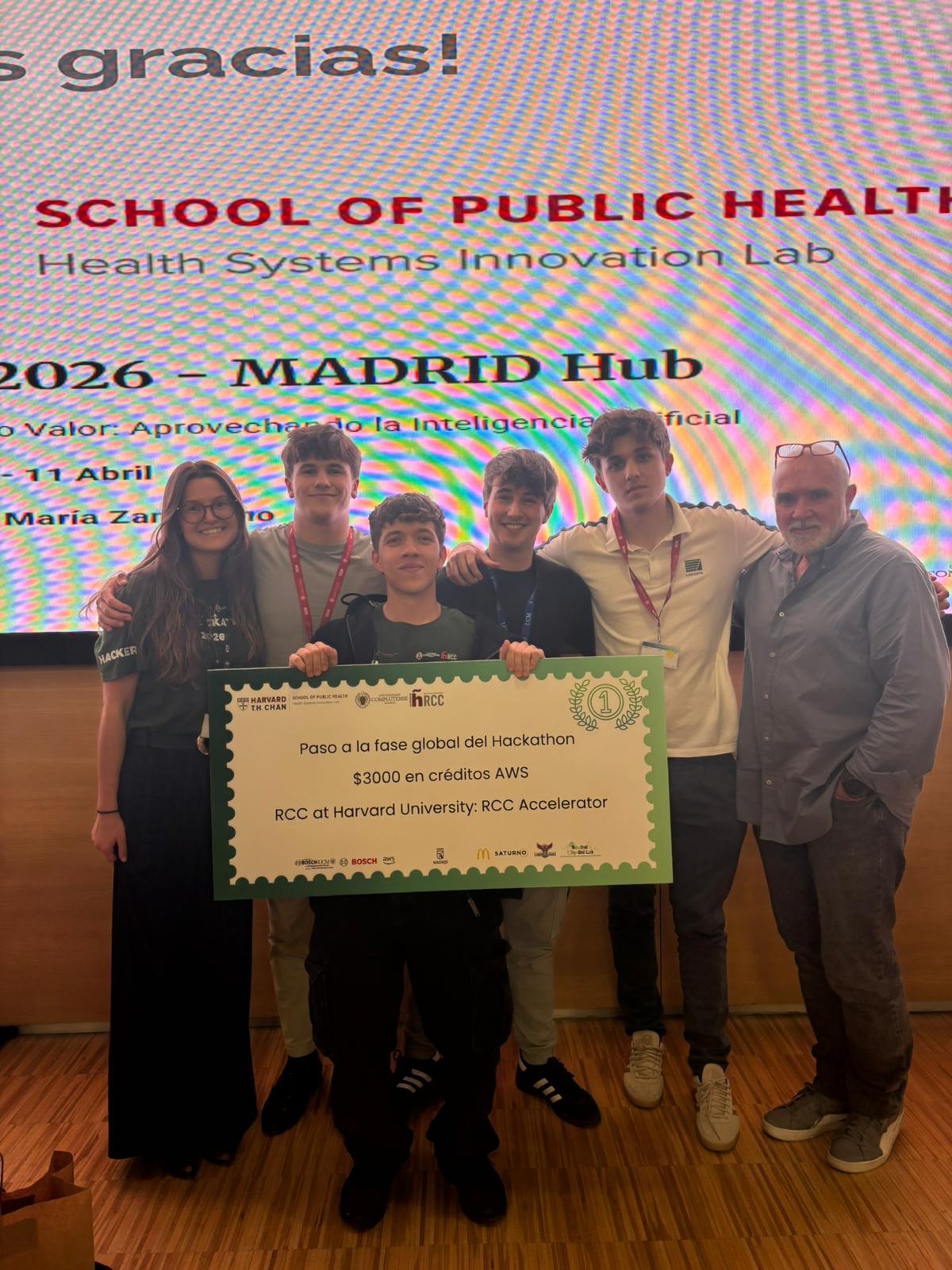
FixedGap began at the Harvard HSIL Hackathon 2026, competing against teams from 50 countries. What started as a 36-hour experiment became a complete rethinking of how we measure neurological recovery.
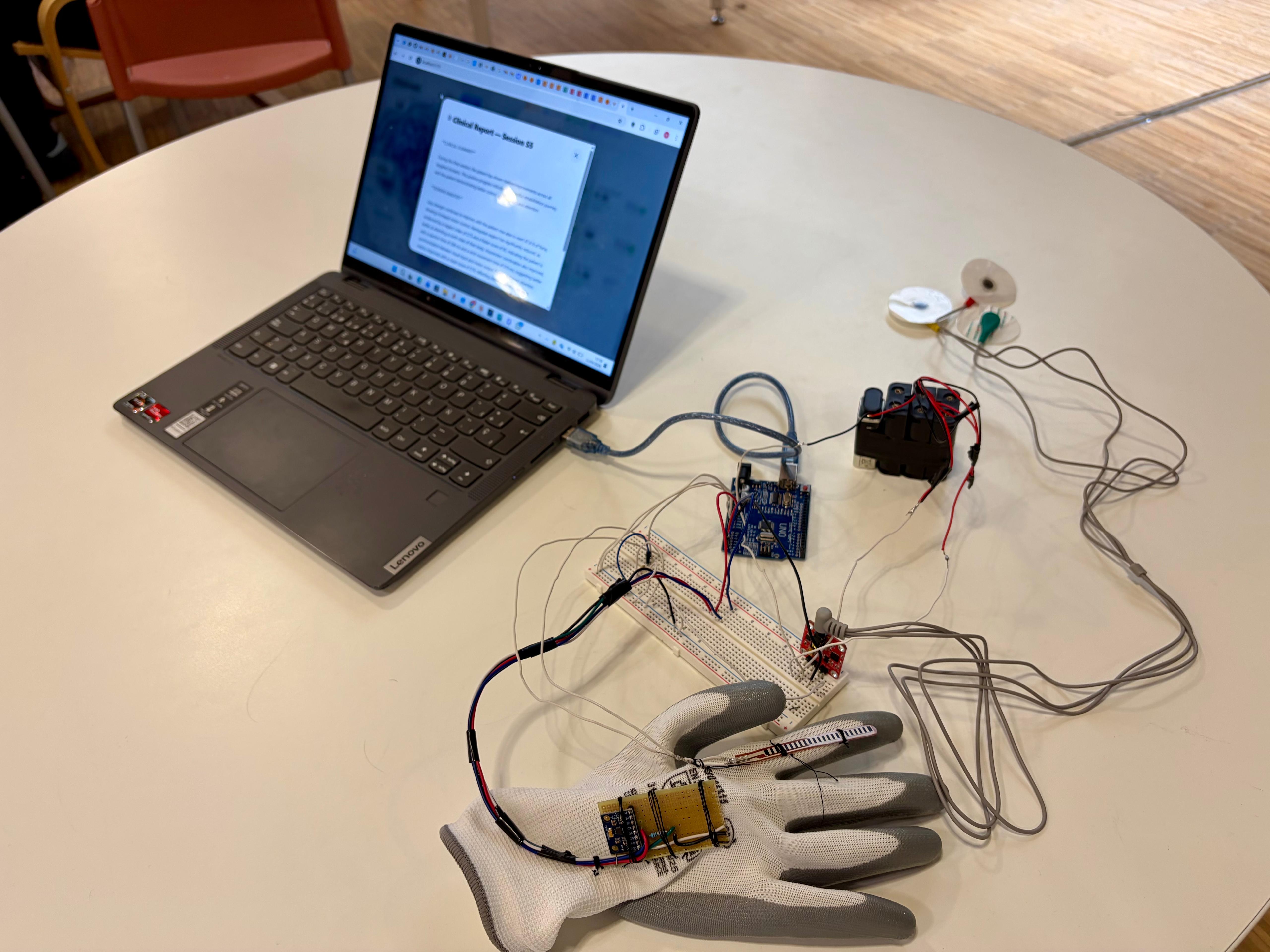
FixedGap V1: The Glove
The first version of FixedGap was built during a 36-hour hackathon. Six students. One ambitious goal: capture clinical-grade neurological data from home.
We built a rehabilitation glove that combined multiple sensor systems:
- •IMU sensors for 3D hand orientation and movement tracking
- •Flex sensors to measure finger joint angles in real-time
- •EMG signals to capture muscle activation patterns
- •Eye tracking systems for gaze direction and coordination
The system worked. We captured hand tremor, range of motion, muscle compensation, and gaze-hand coordination — all metrics used in clinical stroke assessment.
But as we refined the prototype, something became clear: the hardware was the bottleneck.

Special thanks
Juan Antonio — Bosch
We want to extend our deepest gratitude to Juan Antonio and Bosch for their invaluable sponsorship and unwavering support during the hackathon. Your belief in our vision helped make this journey possible.
The Turning Point
Every sensor we added increased cost, complexity, and calibration time. Patients would need to put on the glove correctly. Clinicians would need to maintain and troubleshoot the hardware. Scaling this system globally would require manufacturing, distribution, and support infrastructure.
We realized something fundamental: the most scalable medical technologies are the ones that disappear.
If we could extract the same clinical data using only a camera — something already in every home — we could eliminate every barrier between patients and continuous monitoring.
So we started over.
FixedGap V2: Computer Vision

We rebuilt FixedGap from the ground up around a different idea: software-only neurological monitoring.
Instead of sensors, we use computer vision and AI-driven motion analysis to extract clinical metrics directly from video. A standard webcam becomes a medical-grade sensor.
FixedGap V2 captures the same 13 clinical biomarkers as the glove — but with zero hardware:
- →Hand landmark tracking for tremor and range of motion
- →Gaze tracking for coordination and attention
- →Facial symmetry scoring for motor control
- →Movement smoothness and compensation detection
Patients play a short daily game. Our models analyze every frame. Clinicians receive a clinical report with validated metrics.
No hardware. No setup. No friction.
From Motion to Meaning
Today, FixedGap is being tested with neurologists, rehabilitation clinics, and stroke patients across multiple countries. We are part of the Harvard HSIL Top 30 global cohort, building the infrastructure for continuous neurological monitoring.
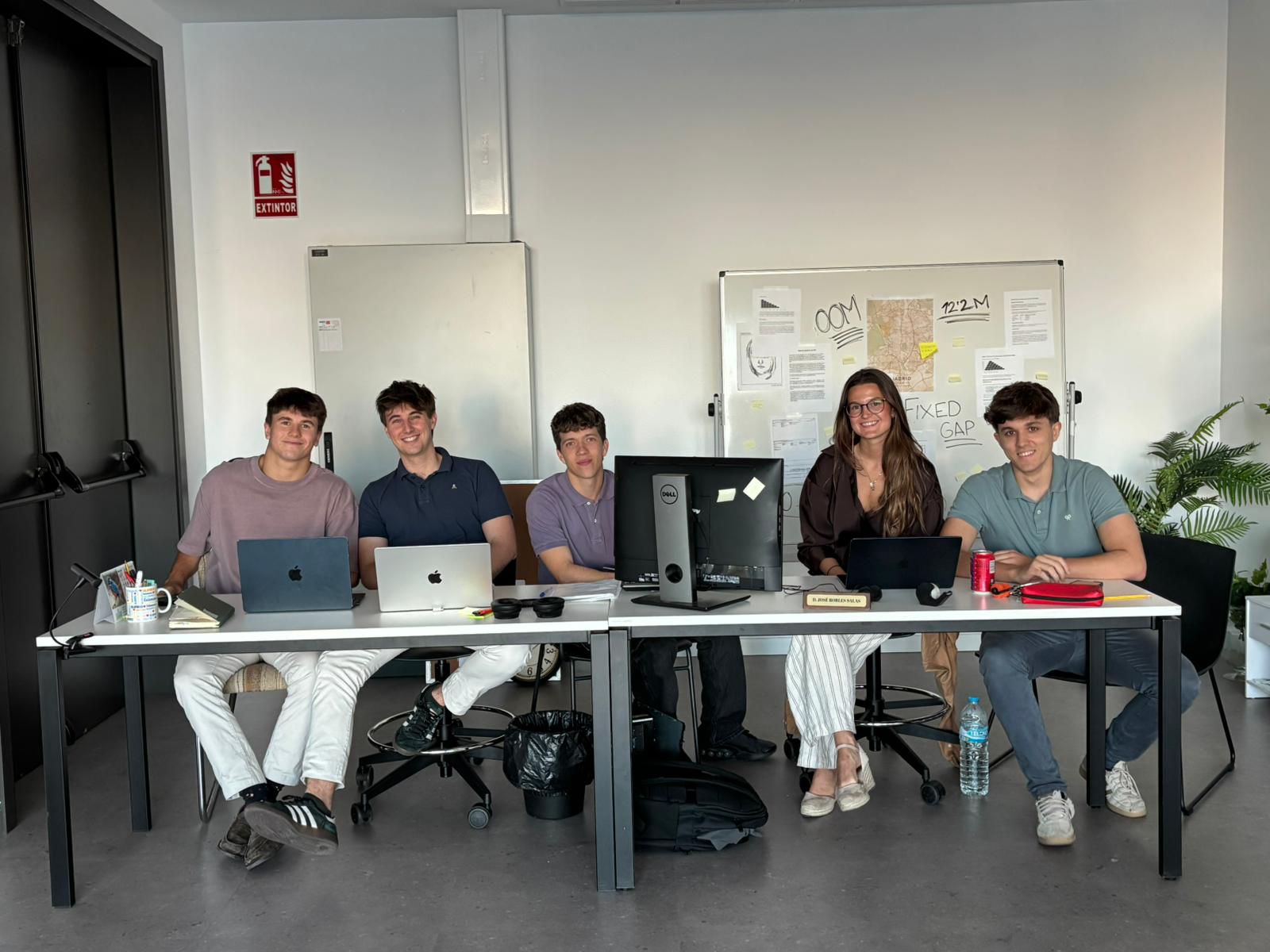
The shift from hardware to software was not just an engineering decision. It was a fundamental rethinking of how medical monitoring should work in the 21st century.
Because recovery does not happen in clinics. It happens at home. Every day. In thousands of tiny movements that medicine has never truly been able to see.
Until now.
From Madrid to Boston.
In June 2026, FixedGap reached the global final of the Harvard Health Systems Innovation Lab Hackathon — held at Pillar VC's offices in Boston. Competing against teams from 50 hubs worldwide, the team secured 2nd place globally, judged by Boston investment funds and experts from the Harvard T.H. Chan School of Public Health.
Five days in Boston, supported by the Real Colegio Complutense at Harvard, included visits to Harvard, MIT, and Massachusetts General Hospital — shaping the next chapter: clinical validation and expansion beyond stroke rehabilitation.